


Navigating a commercial lease agreement can feel like a financial minefield, especially when overhead expenses start stacking up unexpectedly. A frequent point of confusion for business owners revolves around one critical question: do commercial tenants pay property taxes? Unlike residential agreements where the landlord covers structural assessments, commercial real estate works on an entirely different operational plane. Understanding your precise liabilities before signing can mean the difference between steady growth and sudden financial strain.
How Property Tax Works For Commercial Properties?
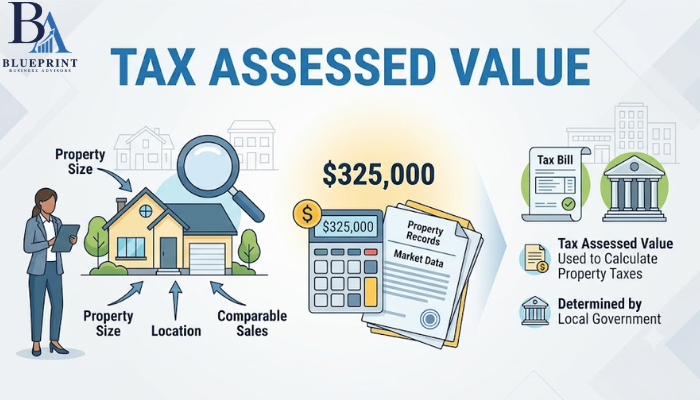
Commercial valuations are highly dynamic, tied directly to localized income potential and market comparisons. A baseline assessment dictates the annual property tax levied against the building structure. Municipalities reassess these commercial real estate assets periodically. It means that the underlying financial obligations fluctuate over time. Landlords rarely absorb these shifting expenses entirely, creating a ripple effect that directly hits operational business margins.
Do Commercial Tenants Pay Property Taxes?
The short and definitive answer is that it completely depends on the specific framework written into your lease agreement. When asking do commercial tenants pay property taxes, look beyond standard rental terms and examine the exact net or gross classification of the contract.
In many common commercial arrangements, the financial obligation is shifted entirely or partially onto the occupant, meaning you are directly responsible for covering these operational costs.
Who Pays Property Tax In Different Lease Types?
Lease structures dictate how administrative and municipal expenses like property tax are shared between the property owner and the occupant. The way your monthly bill is calculated hinges entirely on these distinct industry frameworks.
Triple Net (NNN) Lease
In a triple net lease, the occupant takes on the heaviest operational burden. This framework establishes that the occupant covers all ongoing building expenses, including maintenance, insurance, and the primary property tax taxation obligations. Landlords prefer this structure because it keeps their income streams entirely predictable, while businesses must absorb any sudden tax spikes.
Double Net (NN) Lease
A double net lease strikes a slightly different balance by leaving structural maintenance in the hands of the building owner. However, the tenant remains fully responsible for insurance premiums and the localized property tax taxation costs. This setup requires careful budgeting, as municipal adjustments will directly alter your monthly cash flow.
Modified Gross Lease
A modified gross lease offers a hybrid approach where the building owner and occupant negotiate a specific split of operational expenses. While the baseline rent might include a portion of the annual property taxes, any increases beyond the initial year are frequently passed down to the business occupying the space.
Renters And Property Tax Responsibility In Leases
Understanding the exact wording of your operational contract is crucial to protecting your cash flow from unexpected operational drains. When analyzing how do commercial tenants pay property taxes, it becomes evident that renters often bear the brunt of local fiscal adjustments.
Without proactive structural boundaries, your business could end up financing the municipal obligations of the property owner without receiving any long-term asset equity.
Tax Escalation Clauses And Rent Pass-Throughs
Landlords use specialized contractual tools to ensure their profit margins remain insulated against rising municipal rates. These mechanisms dictate exactly how extra property taxes and operational expenses are calculated and billed to the occupant over the years.
Tax Escalation Clause
A tax escalation clause is a dedicated provision that allows landlords to pass along any increases in municipal assessments directly to the occupant. This ensures that even if tenants pay property taxes based on a lower baseline initially, any future rate hikes automatically increase the total monthly rental outlays.
Operating Expense Pass-Through
An operating expense pass-through bundles multiple building costs together into a single, comprehensive billing cycle. Through this method, tenants pay property taxes as part of a collective pool that covers shared area maintenance, security, and municipal liabilities, divided proportionally by square footage.
Capped Increases
To prevent out-of-control operational expenses, savvy businesses negotiate strict limits on how much their annual bills can rise. When analyzing how exactly does a tenant pay property tax, a well-negotiated cap provides vital financial predictability by restricting annual expense pass-through adjustments to a fixed percentage.
State And Local Variations
Municipal assessments and localized tax codes vary drastically depending on the specific zone where the building stands. Because of these distinct geographical frameworks, the answer to the question, “do commercial tenants pay property taxes,” will shift based on regional laws and local economic adjustments.
A business occupying a building in a high-density industrial corridor will face entirely different fiscal pressures than one located in a suburban office park.
Practical Tips For Tenants
Navigating these complex financial obligations requires a proactive and strategic approach during the contract negotiation phase. Protecting your business from hidden overhead costs starts with asking the right questions before any paperwork is finalized.
Review the Lease Thoroughly
Never sign an agreement based on verbal promises or casual summaries of the financial terms. Partnering with professional financial consultants, like Blueprint Advisors, ensures that hidden pass-through structures are identified and minimized before they impact your operational bottom line.
Negotiate Tax Clarity
Ensure every municipal liability is explicitly defined, including how assessments are verified and whether a specific VAT number applies to any portion of the transactional services. Clarity upfront prevents costly disputes down the line when the annual municipal bills arrive.
Request Regular Tax Reporting
Demand full transparency by requiring the landlord to provide official documentation directly from the local tax district office. Reviewing the actual certified assessment protects your business from arbitrary price hikes or inflated administrative fees.
Audit Rights
Secure the explicit legal right to audit the building’s operating expenses and municipal records annually. Having an independent professional cross-reference these calculations guarantees that you are only paying your true, proportionate share of the actual operational costs.
Consider a Gross Lease For Simplicity
If you want to avoid fluctuating municipal costs entirely, negotiating an all-inclusive gross agreement might be the best path forward. This structure eliminates complex debates, like do you have to pay property taxes on land you own, allowing your business to operate with a completely stable, predictable monthly overhead expense.
Plan For Market Variability
Always build a financial buffer into your long-term business projections to accommodate sudden shifts in real estate valuations. When exploring how exactly does a tenant pay property tax, planning for unexpected municipal increases ensures your operational budget remains resilient against market volatility.
Common Scenarios And What They Mean For Renters
Real-world applications of these lease structures highlight the critical importance of proactive financial planning for modern business owners. Let’s look at how these typical contractual setups unfold over the life of a commercial lease agreement.
NNN Lease Increases
Imagine a scenario where the local municipality revalues the commercial corridor, causing the building’s valuation to jump significantly. Under a triple net structure, this sudden spike flows directly to your business, immediately increasing your monthly overhead costs without any buffer.
Fixed Tax Pass-Through
In a structured pass-through setup, you might agree to pay a flat, predetermined percentage of the building’s annual liabilities. While this offers more predictability than a variable net lease, you must still track the underlying valuation to ensure the final math remains accurate.
Tax Abatements And Exemptions
Sometimes, municipalities grant special economic incentives or temporary exemptions to property owners to encourage local development. Ensure your contract clearly states that any savings realized from these government credits are passed directly down to reduce your business’s monthly obligations.
Common Misconceptions About Property Tax And Commercial Rent
A widespread myth among business owners is that landlords are legally required to handle all municipal real estate liabilities out of their own pockets.
However, when we look closely at how do commercial tenants pay property taxes, the reality is that the law completely allows these costs to be shifted via private contracts. Assuming that your baseline rental rate covers everything can lead to severe financial surprises when the fiscal year wraps up.
The Bottom Line
Managing commercial real estate expenses requires a deep understanding of how lease language translates into actual out-of-pocket costs. Ultimately, the question of whether do commercial tenants pay property taxes boils down to the specific net or gross framework you negotiate. By staying informed, auditing your bills, and structuring clear contractual boundaries, you can successfully insulate your business from unexpected financial liabilities.