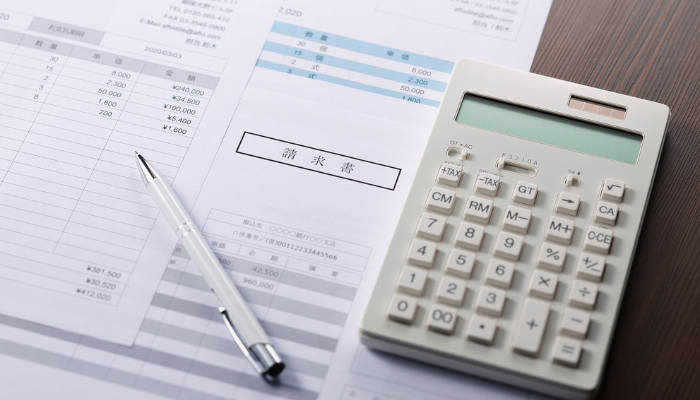


The terminology ‘account payable’ is vital in finance and business management. But what is account payable meaning?
An Account payable is your company’s outstanding bills to suppliers or vendors for goods and services received (but not yet paid). These liabilities are brief commitments or debts. You must pay them off in a specified period, usually a year.
What are Accounts Payable (AP)?
Think of accounts payable as the short term tab of your business. When exploring the exact what is accounts payable meaning, this category represents the formal IOUs your company owes for raw materials, inventory, or utilities.
Rather than paying cash immediately upon delivery, vendors extend you a temporary line of credit. This arrangement keeps your daily operations running. Ultimately, AP serves as a vital measure of your firm’s immediate financial obligations and available cash flow.
Read: What do you mean by EIC?
Examples of Accounts Payable
Accounts payable definition To understand this clearly, consider real world scenarios. Imagine a restaurant purchasing fresh produce from local farms on a thirty day net payment term. The cost of those vegetables is accounts payable. Similarly, when a retail store receives a shipment of clothing garments but has not yet paid the manufacturer, that balance is AP.
Other common examples include unpaid office electricity bills, bulk packaging materials, and outsourced marketing services waiting for final settlement or transaction.
Why is it Called Accounts Payable?
Accounts payable gets its name because it represents amounts a company is obligated — or ‘payable’ — to pay to its vendors and suppliers. It’s typically tracked separately from payroll, which is recorded under its own liability category, such as accrued wages or payroll payable. It is essential to preserving your company’s financial stability and operational effectiveness.
If your firm manages its accounts payable well, you can:
- Benefit from early payment discounts
- Avoid late payment penalties
- Have positive working relationships with your suppliers
Critical Components of Account Payable
Now that you know what is account payable meaning, let’s study its components:
Invoices
Suppliers provide detailed bills called invoices, which typically include:
- A description of the goods or services provided
- The unit price or rate charged
- The total amount due
- Payment terms and other relevant details
Payment Terms
These specify when the money must be paid. Terms that determine how many days the business has to pay the invoice, such as:
- Net 30
- Net 60
- Net 90
Purchase Orders
These are official corporate papers. They outline the goods or services needed and are sent to suppliers. As a point of reference, they help confirm the specifics of the invoice.
The Account Payable Process
Several phases are involved in the account payment process to guarantee timeliness and accuracy:
Receipt of Invoice
The procedure starts when the business gets an invoice from the supplier.
Verification
The purchase order and the actual receipt of the products or services are compared to the invoice’s information.
Approval
The relevant staff members within the company authorize the invoice for payment once it has been confirmed.
Recording
The accepted invoice is entered as an account payable in the business’s accounting system.
Payment
The last phase uses credit cards, electronic transfers, cheques, or other approved payment methods to pay the invoice within the specified timeframes.
Importance of Managing Account Payable
Account payable has to be managed well for several reasons.
Cash Flow Management
Ensuring the business can fulfill its other financial responsibilities requires maintaining a healthy cash flow facilitated by properly scheduling payments.
Credit Rating
Making on-time payments contributes to a positive credit rating, which is advantageous for negotiating favorable conditions with suppliers and getting financing.
Supplier Relationship
Good ties with suppliers may result in increased terms, better service, and discounts.
Click here to get our QuickBooks & Bookkeeping services.
Best Practices for Account Payable Management
By automating the accounts payable process with accounting software, mistakes may be decreased, and productivity can be raised.
Regular Reconciliation
It is helpful to find and quickly address inconsistencies when accounts payable, and supplier statements are regularly reconciled.
Monitor Metrics
Monitoring essential performance metrics, such as days payable outstanding (DPO), can reveal how well the payables process works.
The Bottom Line
Comprehending what is account payable meaning helps you preserve financial stability and promote growth. It is also essential to understand how it functions in corporate operations. Use of optimal methodologies and effective managerial techniques. It will help you guarantee that your accounts payable procedures have a constructive impact on your overall monetary well-being.