
When structuring a real estate portfolio, investors hit a critical fiscal roadblock: are commercial property taxes higher than residential assets? Maximizing yield requires understanding how municipal liabilities slice into your net operating income (NOI). Today’s local ordinances demand precision, especially if you rely on seasoned CPAs The Woodlands TX to insulate your capital from aggressive assessment spikes.
What is Commercial Real Estate?
Commercial real estate (CRE) refers to properties used exclusively for business or income-generating purposes. This asset class includes
- Retail spaces
- Skyscrapers
- Industrial warehouses
- Medical centers
Large-scale multifamily apartment buildings containing five or more units
Unlike single-family properties, CRE is valued primarily as a commercial machine designed to produce revenue.
Pros of Commercial Real Estate Investing
Elevated Rental Yields
Commercial spaces generate annual returns between 6% and 12%, significantly higher than typical single-family housing margins.
Triple Net Leases (NNN)
Under an NNN structure, tenants absorb operational costs, directly covering
- Maintenance
- Insurance
- Commercial property tax burden
Extended Lease Terms
Corporate lease agreements span 3 to 10 years, offering landlords reliable, long-term projected cash flows.
Cons of Commercial Real Estate Investing
Stiff Capital Requirements
Entering the commercial area demands substantial upfront equity, complex underwriting, and strict down payments.
Prolonged Vacancy Risk
Finding a suitable business tenant takes time; a vacant commercial unit can drain cash reserves rapidly.
Volatile Valuation Shifting
Property values fluctuate sharply based on broader economic stability, local corporate health, and occupancy rates.
What is Residential Real Estate?
Residential real estate comprises properties built for individual or family housing, such as:
- Single-family homes
- Townhouses
- Duplexes
Residential real estate revolves around providing habitable spaces where valuation aligns with consumer demand and regional neighborhood comps. If you are seeking stability, utilize targeted residential property tax services to ensure these personal or small-scale rental holdings remain optimized against sudden local hikes.
Pros of Residential Real Estate Investing
Consistent Market Demand
People always need a place to live, keeping the demand for single-family rentals stable even during corporate recessions.
Simplified Financing Options
Sourcing residential mortgages is highly accessible, featuring lower interest rates and lenient credit underwriting.
Familiar Operations
Managing standard housing units is straightforward, requiring less complex legal frameworks or professional oversight.
Cons of Residential Real Estate Investing
Frequent Tenant Turnover
Shorter, one-year lease terms mean landlords face ongoing marketing, repair, and re-leasing expenses.
Capped Revenue Generation
Single-family homes possess a rigid income ceiling based entirely on local market rent limitations.
Limited Expense Pass-Through
Landlords must pay for major structural repairs and baseline residential property taxes out of pocket.
Are Commercial Property Taxes Higher Than Residential?
Yes, peer-reviewed economic research establishes that commercial assets face a significantly heavier statutory and effective tax burden than residential spaces.
Academic analysis from institutions, like the Lincoln Institute of Land Policy, reveals that local municipalities purposefully implement structural tax classification systems to generate higher corporate revenue. This disparity is driven by specific valuation mechanics:
The Income Assessment Approach
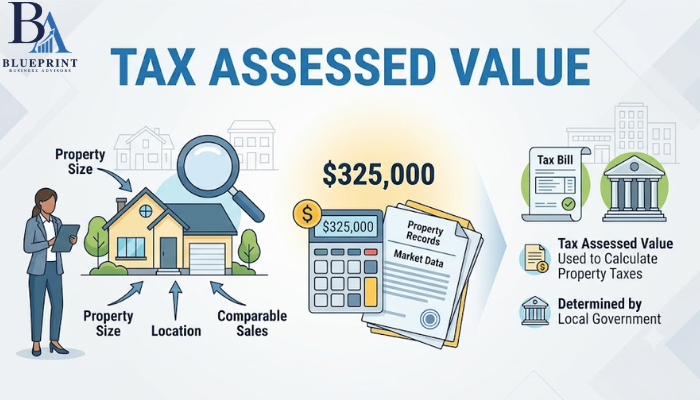
While residential assets are evaluated using local sales comps, commercial units are assessed using an income-capitalization method. Assessors calculate value based on the property’s profit capacity, driving up the taxable base.
Absence of Statutory Exemptions
Homeowners enjoy homestead exemptions, millage caps, and assessment freezes. Corporate properties are taxed on 100% of their full market or income value with no built-in consumer protections.
Infrastructure Impact Surcharges
Local governments impose higher baseline millage rates on businesses to offset the heavy wear and tear commercial operations inflict on public utilities and roads.
Commercial Investing: Returns and Risks
Commercial assets provide a powerful shield against inflation due to built-in rent escalations and NNN pass-through clauses. However, the sector is exposed to systemic risks. Economic downturns can:
- Drive tenant bankruptcies
- Leave landlords with massive square footage that cannot be easily filled
Such concerns make diligent property tax commercial oversight and proactive financial management absolutely mandatory.
Residential Investing: Returns and Risks
Residential investments deliver predictable, defensive cash flow. This is a foundational strategy for risk-averse investors. The primary risk stems from micro-market fluctuations and sudden regulatory adjustments, such as:
- Local eviction moratoriums
- Unexpected hikes in regional residential property disposal fees
Without specialized guidance, scale a massive housing portfolio to turn into a time-consuming property management headache.
Comparing Commercial vs. Residential Real Estate Risks and Rewards
Balancing real estate assets requires a direct look at the divergent performance metrics of each sector:
| Investment Indicator | Commercial Real Estate | Residential Real Estate |
| Average rental yield | High (6% to 12% annually) | Moderate (4% to 6% annually) |
| Average lease term | Long-term (3 to 10 years) | Short-term (1 to 2 years) |
| Tax assessment basis | Income generated & capitalization rate | Comparable neighborhood sales |
| Operational complexity | High; requires professional management | Low to moderate; self-management possible |
Example of Commercial vs. Residential Investing
Imagine buying an $800,000 suburban office strip. Under an NNN lease, your retail tenants cover all maintenance and the underlying property tax commercial obligations directly, leaving your revenue intact.
Conversely, investing that same $800,000 into two residential duplexes means you are fully responsible for handling
- Tenant management
- Ongoing repairs
- Escalating residential property taxes
This can steadily erode your monthly cash flow.
Is Commercial or Residential Real Estate a Better Investment?
The ultimate answer depends entirely on your
- Capital availability
- Risk tolerance
- Long-term financial objectives
Commercial real estate is ideal for sophisticated, well-capitalized investors seeking hands-off, passive income through corporate NNN leases.
Residential property remains unmatched for retail investors looking for steady, predictable equity growth, accessible leverage, and simple exit strategies.
Can I Invest in Both Commercial and Residential Real Estate?
Diversifying across both asset classes is an excellent way to balance high-yield corporate profitability with stable residential security. However, managing a mixed portfolio requires specialized accounting support.
Partnering with a premier small business accounting firm in The Woodlands, Texas, like Blueprint Advisors, allows you to seamlessly integrate your real estate books. Our expertise ensures you leverage maximum depreciation write-offs while keeping your operational overhead completely optimized.
The Bottom Line
When analyzing “Are commercial property taxes higher than residential investments?” the numbers show that commercial real estate bears a heavier municipal tax burden. However, the income-producing capacity and unique lease structures of commercial properties allow investors to mitigate these costs effectively.
To maximize your real estate profits, integrate clean financial monitoring with a top-tier QuickBooks & bookkeeping services workflow to track every deduction. For advanced compliance, deploy a comprehensive business tax advisory strategy so that your real estate portfolio is built for long-term growth.