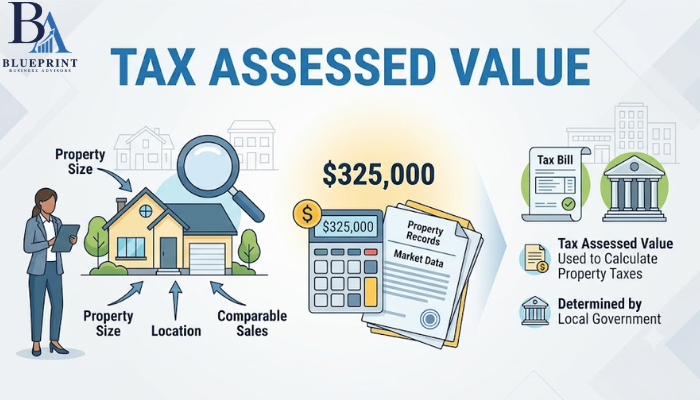


A well-written property tax appeal letter is an effective tool for challenging the assessed value. It can lower your property tax burden. But how to write a property tax appeal letter?
Property taxes are an unavoidable component of homeownership. However, what happens if you believe your property has been overvalued, resulting in higher-than-justified tax assessments?
Our best tax consultant Houston leads you through the critical stages for writing an effective property tax appeal letter.
Follow these steps to write an impactful property tax appeal letter:
Know Your Rights
Begin your appeal letter by stating your rights as a property owner. Highlight that you are aware of the assessment process and have the right to appeal if you think there are mistakes or contradictions in the appraisal.
Gather Evidence
Collect supporting evidence to back up your allegation and improve your case. Obtain recent property assessments, pictures, or any other pertinent records demonstrating differences in the evaluation.
For instance, provide evidence and images to back up your claim if your property has structural faults that impair its value.
How to Write a Property Tax Appeal Letter?
Follow these steps to generate an impactful tax appeal letter to challenge the faulty tax evaluation assessments:
Craft a Clear and Concise Introduction
Begin your appeal letter with a clear and concise introduction. State your reason for drafting the letter, briefly describe the property and your concerns about the assessed value. Avoid superfluous information at this point, and save supporting evidence for later parts.
Include a Detailed Property Description
In the next section, give a complete description of your property. Include details about the size, characteristics, and condition of your home. Maintain objectivity and focus on data that may have a favorable or unfavorable impact on the property’s worth.
Highlight Comparable Sales
Gather and show data on similar sales in your neighborhood. Find recently sold houses comparable to yours in size, condition, and location. Use this information to argue that your property was assessed at a more excellent value than its actual market value.
Address Any Special Circumstances
If any unusual conditions impact the value of your property, such as natural catastrophe damage, please offer a full explanation. Include any relevant evidence, such as insurance claims or repair estimates, to support your argument.
Request Reassessment
End your letter by clearly explaining your desire for a review of your property’s worth. Express your willingness to work with the assessor’s office and give any extra information necessary for a fair review.
Use Technology and Professional Support
In 2025, most assessors’ offices will offer online portals for initial submissions, streamlining the process and increasing transparency. Sign up for the electronic filing system of your county before you draft your letter to track deadlines, send attachments and receive email updates. Many communities also offer GIS valuation maps. Use this tool to find out where your parcel falls in relation to adjacent parcels’ size, slope or designation as a flood zone. Include a screenshot of the GIS viewer or a parcel ID to show that you have done your research. If your tax savings is greater than an appraisal’s cost, you may want to consider hiring a professional. Residential appraisers who are state-certified now use computerized appraisals, which rely on MLS and local market data. You can often get a desktop report in 48 hours to add to your appeal.
Virtual walkthroughs are a relatively new modern innovation that could have played a role in the murder investigation. Record a short video tour on your phone if there’s an issue with the interior, like deferred repairs or outdated fixtures. Upload it securely, and include timestamped footage. Don’t discount expert advice. Many firms offer flat-fee packages that include letter writing, comparative-sales analysis and hearing representation. If you are doing the majority of your appeal, an hour consultation will ensure that you have cited all the correct statutes and followed the proper procedural rules.
Read on: What are advisory services?
Avoid these Common Mistakes When Writing an Appeal Letter for Property Tax
If traps are missed, even the best prepared appeal for property taxes can fail. A common mistake is to rely on emotion instead of logic and evidence. The Tax Assessor does not work on preferences but rather reasons. Clarity and objectivity are therefore essential. Inadequate documentation is another issue which may cause alarm. A general description, outdated information and a lack of similar sales can all make a business less attractive.
Another important aspect is timing. Even if your case is very good, a failure to submit on time and/or not follow the correct process could lead to an automatic rejection. Many property owners do not explicitly state that they wish to have their assessment reassessed, even though this is a clear request. This can help to avoid confusion. You can improve credibility by ensuring clarity, consistency, and structure with national standards.
The Bottom Line
Learning how to write a property tax appeal letter enables you to provide transparent information, supporting facts, and a courteous tone. Our tax advisor services increase your chances of successfully confronting an incorrect property tax assessment and lowering your tax bill. Remember that your appeal letter is your voice in this process, so make it strong, clear, and compelling.