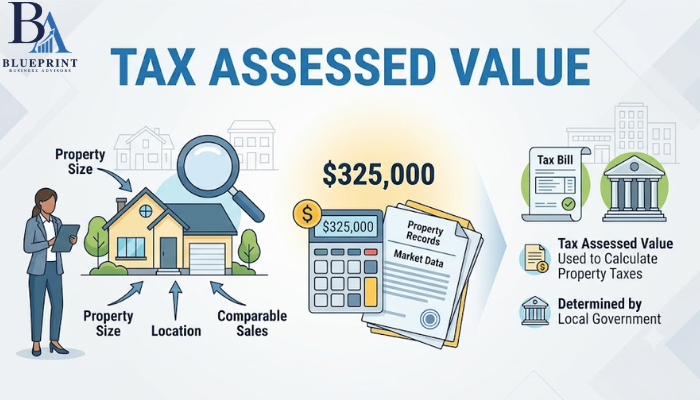


Residential property tax is an essential factor, particularly for newly constructed homes. Knowing when do you start paying property taxes on new construction sites is essential for financial planning and budgeting.
Start of Real Estate Tax Payments
The following factors help you determine when do you start paying property taxes on new construction:
Date of Assessment
Property tax payments usually start on the assessment date that the local taxing authority chooses. This date changes depending on where you live and the local laws that control property taxes.
Finalization of Construction
Property tax payments for newly constructed properties often start when the work is finished, and the property is approved for habitation. It is designated when the property’s value is determined for tax purposes.
Evaluation Method
Assessors estimate the property’s worth when construction is finished by considering many aspects such as size, location, features, and market circumstances. Property taxes are computed using this value as a foundation.
Alertness
Property owners are informed of the assessed value of their property and the associated tax liabilities as soon as the assessment is finished. Schedules and methods for payments are usually included in this communication.
Do You Pay Property Taxes Monthly or Yearly?
The frequency of property tax payments is subject to change based on local laws and rules. In certain places, property taxes can be paid quarterly or semi-annually. However, others usually pay them yearly.
Escrow Accounts
Property taxes for homeowners with mortgages are frequently deducted from their monthly mortgage payment through an escrow account. In these situations, paying property taxes to the relevant taxing body is the mortgage servicer’s responsibility.
Installment Plans
Under some jurisdictions’ installment plans, property owners might spread their annual property taxes over several installments, lessening the financial strain of having to pay property taxes simultaneously.
Programs for Tax Abatement
In certain places, tax breaks may be available for newly built homes or other real estate renovations. These programs temporarily lower or eliminate property taxes for properties that meet the eligibility requirements, giving homeowners financial assistance in their first years of ownership.
Click here to avail yourself of our business property tax services.
How Do Property Taxes Work on a New Construction Home in Texas?
In Texas, the first assessment of property taxes for newly constructed residences is determined by the value of the land. The value of the residence is reassessed by the county appraisal district when construction is finished, and a certificate of possession is granted. The following year’s property taxes may rise significantly due to this reevaluation. Unless a homestead exemption is requested, Texas law restricts homestead-assessed value increases to 10% each year. To take advantage of the cap, homeowners must apply for this exemption. In addition, the estimated value is multiplied by the local tax rate, which differs for each municipality, to determine property taxes.
Read: Are special assessments tax deductible?
At What Age Do You Stop Paying Property Taxes in the USA?
The age at which older people in the US no longer pay property taxes is not set in stone. However, several states provide elderly persons with property tax reduction schemes. In general, depending on the regulations in their state, homeowners 65 years of age or older may be eligible for:
- Exemptions
- Freezes
- Deferrals
For example, Texas freezes school district taxes at a price paid in the first year of eligibility and grants an extra $10,000 homestead exemption to those 65 and older. The property must frequently be the principal residence to be eligible.
Other requirements may include residency duration or income. It is imperative to speak with local tax authorities to learn about particular advantages and application processes.
The Bottom Line
Knowing when do you start paying property taxes on new construction depends on the property’s worth and the decision of the local taxing authority. The regularity of property tax payments is contingent upon several circumstances. These include escrow agreements and the accessibility of installment plans. Besides, it is not limited to municipal ordinances. As a homeowner, you must comprehend these deadlines and factors to properly manage your money and fulfill your tax responsibilities on time.
Read More:
list three things you should look for when hiring a tax professional.
Frequently Asked Questions (FAQs)
How do supplemental tax bills differ from the initial tax assessment?
When you purchase or complete a new construction home, the local assessor eventually revalues the property at its full market value. But, there is a ‘lag’ between the time the home is finished and when the new tax rate is reflected in the annual bill.
A supplemental tax bill is a one-time (or multi-part) bill issued to cover the difference between the prior ‘land-only’ value and the new ‘improved’ value for the remaining months of the fiscal year.
Failure to budget for this ‘catch-up’ bill is one of the most common financial surprises for new homeowners.
Are property taxes on new construction higher than on existing homes?
The tax rate (millage) is typically the same for a specific area. New construction homes carry a higher tax burden. This is because new homes are assessed at the most current market prices. Older homes in many states benefit from assessment caps that keep their taxable value lower than their actual market value. In addition, new developments are located in ‘Special Tax Districts’ or Mello-Roos areas, where extra assessments are levied to pay for the new infrastructure, such as roads, sewers, and schools.
Does a Certificate of Occupancy (CO) trigger an immediate tax increase?
The issuance of a Certificate of Occupancy is a primary signal to the tax assessor that the ‘improvement’ is complete. But, it does not always result in an immediate bill.
Most jurisdictions follow a specific ‘Lien Date’ or ‘Status Date’ (often January 1st). If your CO is issued on January 15th, you might not see the home’s full value reflected on the official tax roll until the following calendar year. Be prepared for a retroactive supplemental assessment based on the date the CO was signed.
Can I appeal the first assessment of my newly built home?
Yes. Many homeowners assume the assessor’s first valuation is final because it is a ‘new’ home. But, if the market has shifted downward since you signed your construction contract, or if the assessor has overestimated the value compared to similar new builds in your neighborhood, you have the right to file an appeal.
With market volatility being a factor, it is wise to compare your initial assessment against the actual closing costs and local ‘comps’ to ensure you are not overpaying from year one.
How does a ‘Builder’s Inventory Exemption’ affect the buyer?
In many jurisdictions, builders can apply for an exemption that keeps the property taxes at the ‘vacant land’ rate while the home is under construction or sitting unsold.
As a buyer, be aware that this exemption typically vanishes the moment the title transfers to you. When the property is deeded into your name, the ‘full value’ assessment is triggered. Ensure your closing agent calculates your pro-rated taxes based on the future projected value, not the builder’s exempted rate, to avoid a shortfall in your escrow account.